
WHO CAME, WHO FELL, AND WHO IS GOING TO BANGLADESH
The heavy roller has been parked, the stumps have been drawn and the afternoon dust has finally settled over the outfields of Dar es Salaam. For an intense week of cricket, eight African nations locked horns on surfaces that offered plenty of food for thought for curators and tacticians alike. Junior tournament cricket is rarely a showcase of flawless technique; instead, it is a test of who can adapt quickest when the bounce becomes uneven, the outfield slows and the heat begins to drain the concentration.
As the dust clears, the tournament standings tell a story of shifting tectonic plates in African cricket. The old guards are looking over their shoulders, while a new breed of highly disciplined, high-performance sides are beginning to dictate terms. Let us look past the simple scoreboard margins and put every competing nation through the evaluation mill.
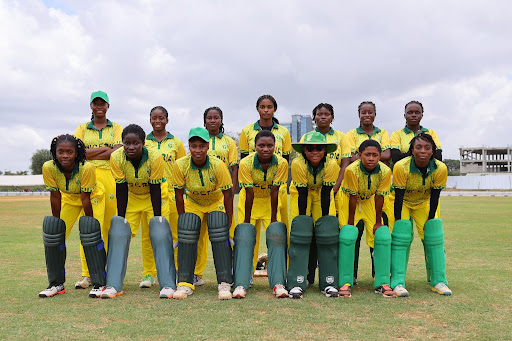
Nigeria - The Podium Finishers: Class, Heartbreak, and Grit
To walk through a high-stakes regional qualifier entirely undefeated is a monumental achievement; to do it while defending modest, sub-100 totals is an absolute masterclass in tactical discipline. Nigeria did not out-bat their opponents; they out-thought and out-squeezed them. Under the guidance of their high-performance staff, the Junior Female Yellow Greens displayed a brand of cricket that looked years ahead of their tender years.
Their crowning achievement was the grand finale against Zimbabwe. Defending a fragile 98 runs on a surface that demanded absolute bowling precision, they choked the life out of a fierce chase, holding their nerve to secure a 4-run victory with just one delivery left in the match. Their bowling unit operates like a well-oiled machine where every component knows its role. By booking Africa’s lone ticket to the U19 World Cup in Bangladesh and Nepal, Nigeria has proven that their grassroots structures and intense preparatory camps are currently the gold standard of junior cricket on the continent.
Zimbabwe - The Heartbroken Contenders
Zimbabwe arrived in Tanzania bearing the weight of high expectations, and for the vast majority of the tournament, they looked every bit the powerhouse. Led by the tactical discipline of Christina Mutasa and the incisive bowling of Tadiwanashe Garutsa, they dismantled opponents with an efficiency that suggested a smooth path to the trophy.
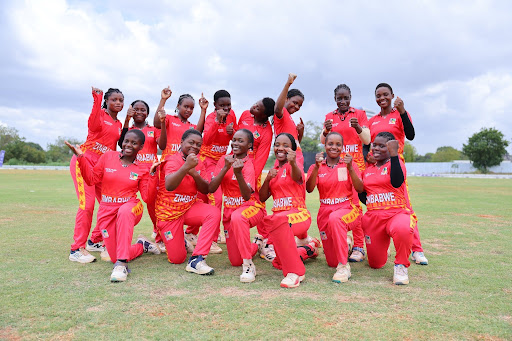
Yet, when the final obstacle appeared, the gears jammed. Chasing 99 for victory against Nigeria, their top-order collapsed under intense pressure. Zimbabwe possessed immense raw power and an enviable cricket heritage, but they lacked the lower-order composure to steer themselves over the finish line when the boundaries dried up. They return home with silver medals, broken hearts and the painful knowledge that they were just one solid partnership away from a World Cup berth.
Uganda - The Resilient Bronze Winners
The Baby Victoria Pearls experienced a turbulent campaign that tested their mental fortitude. Early setbacks threatened to derail their tournament entirely, but their response was a testament to the deep-seated resilience within Ugandan cricket. They picked themselves up, dusted themselves off and finished on a high by utterly thrashing Rwanda by seven wickets in the third-place playoff.
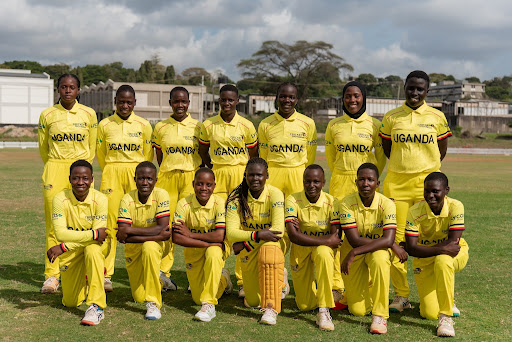
In Sarah Tino, Uganda boasted the undisputed Player of the Tournament - a cricketer of immense promise who can single-handedly alter the complexion of a match. Backed by a devastating bowling spell from Sheirah Namagoba (who took a staggering 3 wickets for just 5 runs in the playoff), Uganda showed flashes of brilliance that could rival anyone on the continent. Their main hurdle remains consistency; when they find their rhythm, they are sublime, but their erratic patches cost them a spot in the final.
Rwanda - Flashes of Brilliance and Structural Walls
Rwanda remains one of the most fascinating development stories in associate cricket. They play with an infectious energy and a tactical fearlessness that makes them incredibly dangerous in short bursts. They navigated their way into the semi-finals through sheer grit, but once there, they hit a structural ceiling.
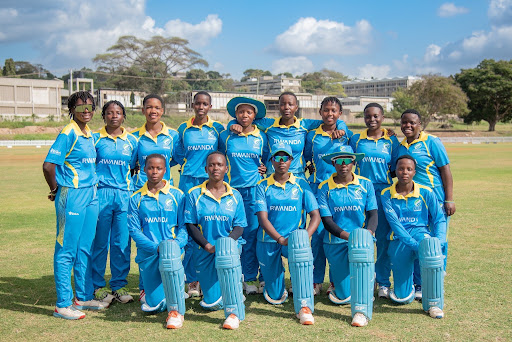
Their technical limitations were laid bare in the third-place playoff, where they were bundled out for a meager 73 runs by Uganda. Rwanda's bowling and fielding remain highly competitive, but their batting lineup lacks defensive technical stability. To transition from a "developing side" to an elite African contender, their young batters need longer hours in the nets facing high-quality, disciplined spin on turning tracks.
Tanzania - The Gritty Hosts
Playing a major tournament on home turf is a double-edged sword; the familiar pitches offer an advantage, but the weight of local expectation can hang heavily on young shoulders. Tanzania fell short of the semi-final berths, which will undoubtedly sting the local organizers, but they showed immense character to finish fifth by dominating Kenya by 29 runs in their final classification match.
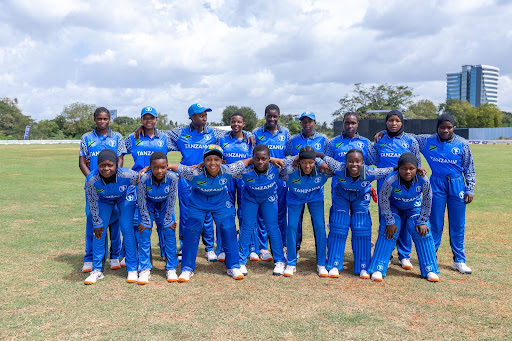
The silver lining for the hosts was the performance of Dorice Helment, who walked away with the Best Bowler of the Tournament award. Helment bowled with a beautiful, repeatable action that exploited the cracks in the Dar es Salaam surfaces perfectly. Tanzania has a solid foundation of individual stars, but they must build a more cohesive team depth if they want to close out tight matches against high-performance units like Nigeria and Zimbabwe.
Kenya - The Work in Progress
Kenya’s cricket story is one of a long, arduous rebuilding phase and this tournament showed exactly how much work remains to be done at the age-grade levels. They fought gallantly in the group stages, but their technical execution repeatedly let them down during crucial moments.
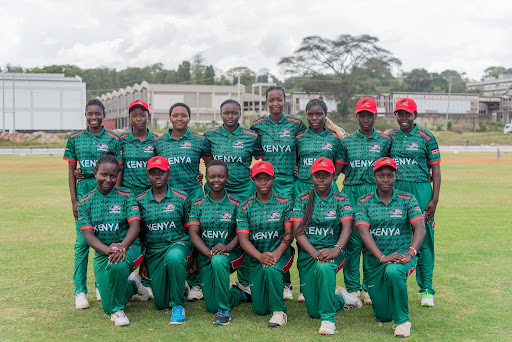
Their campaign concluded with a tough defeat to Tanzania, where their batting lineup was bowled out for 77 runs. The Kenyan girls showed immense heart and exceptional athleticism in the field, but they lacked the tactical awareness required to rotate strike and build innings against disciplined spin fields. Their development programs require systemic, long-term support to turn these flashes of raw talent into sustained tournament victories.
Namibia - Late Dawns and Harsh Lessons
Namibia’s tournament layout was a classic case of finding your feet after the train has already left the station. They endured a highly frustrating group stage where their tactical plans failed to translate into wins on the turf.
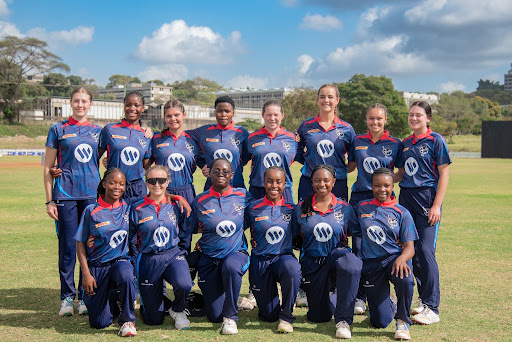
However, they saved their absolute finest performance for last, utterly dismantling Malawi by nine wickets in the seventh-place playoff. Their bowlers were relentless, skittling Malawi for a mere 38 runs before their openers chased it down with clinical ease. Namibia possesses excellent domestic cricket structures, but their slow start in Tanzanian conditions ultimately cost them a shot at a higher placement.
Malawi - The Brave Apprentices
Finishing at the bottom of the tournament standings is a bitter pill to swallow, but Malawi must view this campaign as an essential classroom. Stepping up to Division 1 cricket is a massive leap in intensity, and their young side found the learning curve to be incredibly steep.
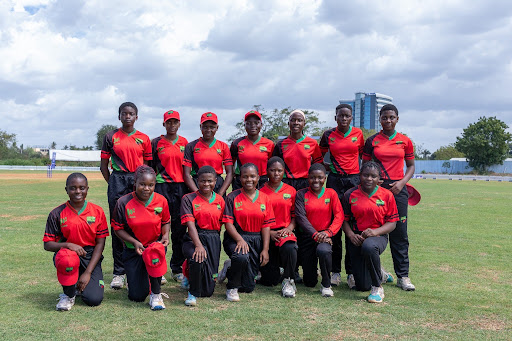
Being bowled out for 38 runs by Namibia was a harsh, unforgiving lesson on the big stage. Yet, as any old groundsman will tell you, you cannot prepare a great pitch without first turning over the soil. The scars earned in Dar es Salaam are the exact seeds that will plant the future of Malawian women's cricket. They showed immense dignity throughout their struggles and returned home with a clear blueprint of the standard they must strive to reach.
The Final Verdict
This tournament has broken the old illusion that African women’s cricket is an exclusive club dominated by one or two traditional empires. The landscape is shifting. The countries that are reaping the rewards today—most notably Nigeria—are those that have invested heavily in high-performance academies, turf facilities and rigorous regional camps.
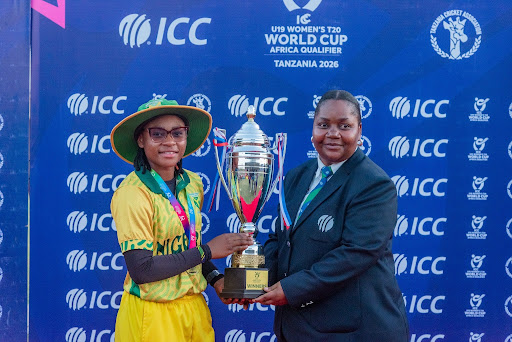
For the rest of the continent, the message written into the Tanzanian sands is loud and clear: development cannot be fast-tracked on a whim. It requires patience, structure and a willingness to get your hands dirty. Nigeria has raised the bar; it is now up to the rest of Africa to look to their pitches, fix their techniques and get back to work.